Wednesday, December 6, 2017

Wind on the Cape, Penguins, and a History Lesson

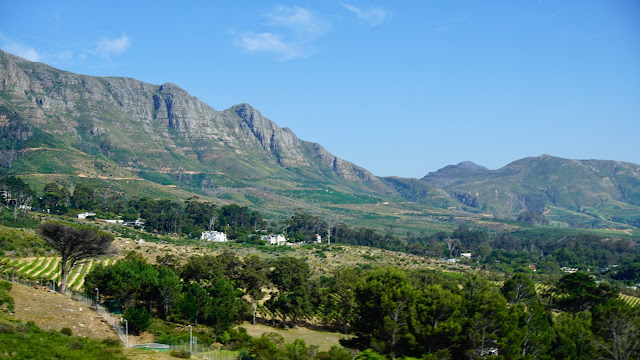
We began our day quite early, with breakfast at 6, then leaving the ship by 8.  We boarded a tour bus, and left on a drive to the Cape of Good Hope.  We drove through beautiful country, including Constantia, where the first vineyards were planted in 1685.  We saw a grazing Eland as we were entering the Cape of Good Hope National Park.  We hiked up to the lighthouse in a wild wind, blowing at least 60 mph.  The views were spectacular!
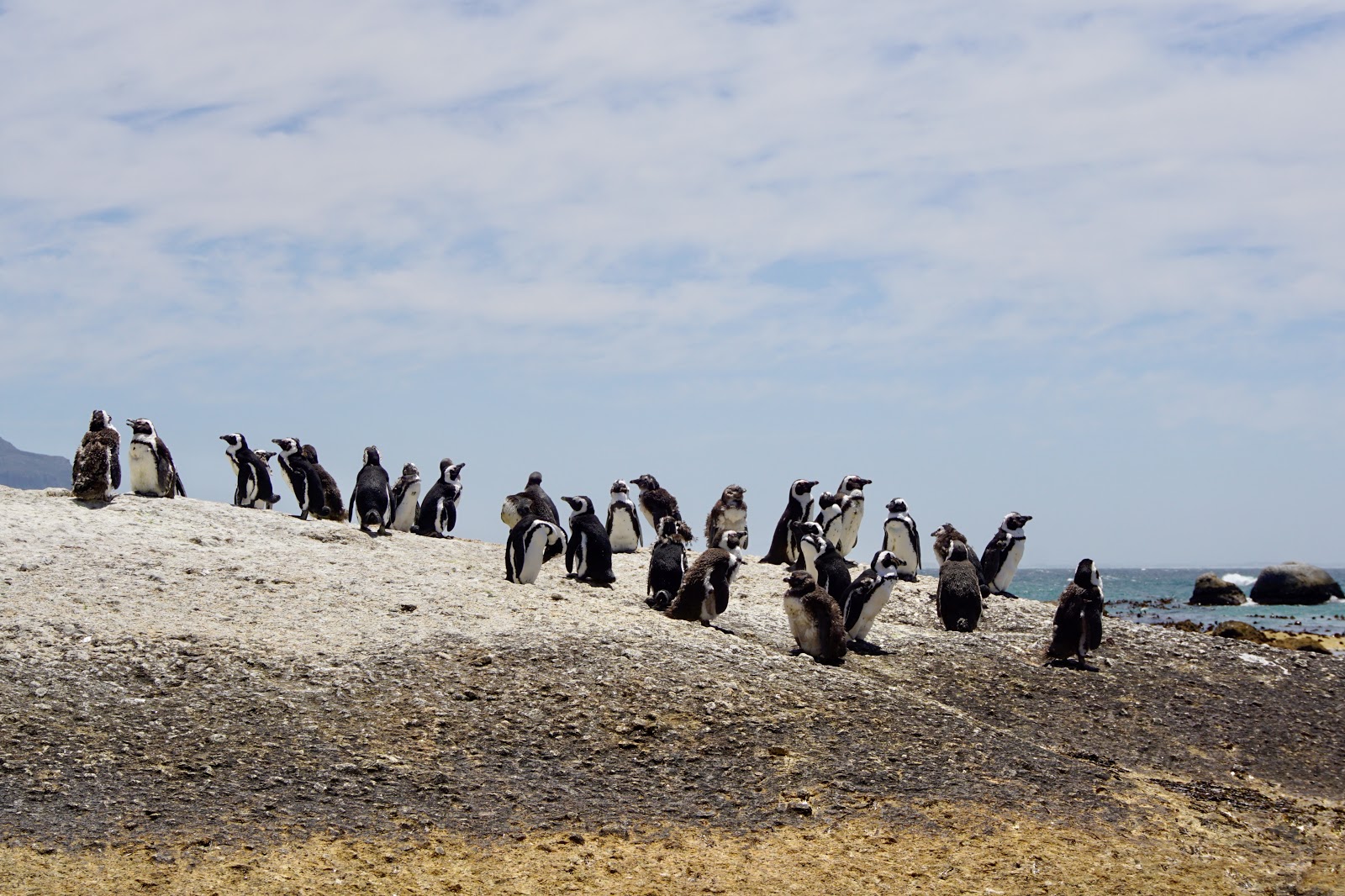
Our next stop was at Boulders Beach to see the penguins.  I love penguins!  They were out and about!
We returned to Cape Town, to check in at our hotel.  We had lunch at the V&A Waterfront.  Loved it! At 4, we left the hotel in a hurry, to get to Greenmarket Square, to join a walking tour of Historic Cape Town.  We stopped for short history lessons in front of Cape Town City Hall, the Slave Market, Parliament, the Company Garden where the Dutch East India Company grew fruits and vegetables from the 1650’s to replenish ships sailing around the cape and is a popular place to walk and relax today, St. George’s Cathedral (Desmond Tutu’s Church), and more.  We enjoyed every moment of the whole day!

Tuesday, December 5, 2017

Cape Town

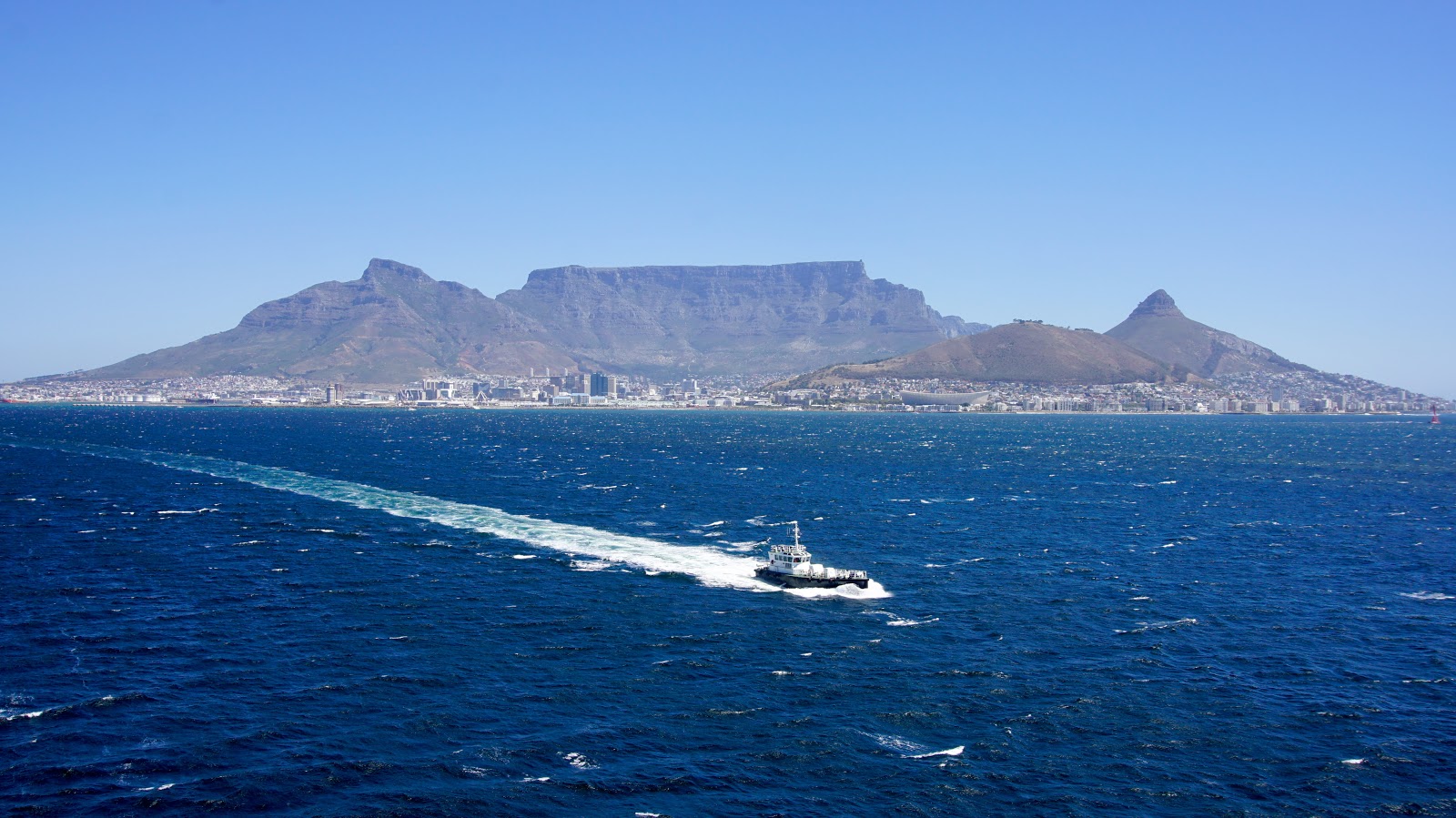
We arrived in Cape Town late this afternoon.  Our first glimpse of Cape Town was quite dramatic, with Table Mountain overlooking the city below, Signal Hill cutting through the city, and punctuated by Cape Town Stadium.  We spent a couple of hours in the Victoria & Alfred Waterfront, near the cruise terminal.  The first wharf dates to the 1600’s, and is now home to over 100 waterfront shops, cafes, marina, Nobel Square, and a large Ferris wheel.  Victoria & Alfred Waterfront is as sophistocated as any place we’ve been anywhere in the world!  It is beautiful, busy, and currently hosting the Volvo Ocean Race 2017 Cape Town Stopover, a round the world yacht race.  We enjoyed seeing the racing yachts in the harbor.  From Richards Bay to Cape Town, South Africa has been a surprise to us.  We love it!


Cape of Good Hope

We have just rounded the Cape of Good Hope, 6 nautical miles from our ship.  
Next stop:  Cape Town.

Sunday, December 3, 2017

Durban

Our tour guide/driver picked us up at the port at 9 this morning.  He took us on a city tour of Durban, the third largest city in South Africa, with 3.5 million + residents.  Durban’s port is the busiest in South Africa.  It’s subtropical climate and miles of wide, white sand beaches make it a magnet for tourists.  We drove past several historical monuments, City Hall, and the Post Office.  We walked about the beautiful Botanical Gardens seeing a cannonball tree for the first time, and enjoying the cycads, lotus, and beautifully landscaped themed gardens.  We drove through the most expensive neighborhoods in the city, which reminded us of Southern California neighborhoods.  We saw monkeys playing in the parks.

We walked about the Moses Mabhida Stadium, home of the 2010 World Cup, and saw Kings Park Rugby Stadium across the street.  The whole sports corridor, along the waterfront was impressive, with a golf course, archery, horse racing track, and more.  We drove along the 7 km waterfront from the Stadium back to the port entry, past the former Apartheid Beaches and the Golden Mile.  The waterfront is beautifully landscaped with a wide brick walkway that runs the full 7 km, a series of swimming pools, wide white sand beach, and with every convenience imaginable for beach goers, bikers, walkers, and families.  We walked along the boardwalk and enjoyed seeing Durban families spending their Sunday afternoon at the beach.  Durban’s skyline is beautiful and extensive.  It is a clean city.  There is a lot of renovation and new construction.  It can compete with any city in the world of a similar size, in amenities and beauty.  We felt they had “dotted their i’s and crossed their t’s.”  Durban is beautiful!


Saturday, December 2, 2017

Hluhluwe Umfolozi Game Reserve, South Africa

Our day began with a helicopter lowering a boat pilot onto our ship, to guide us into Richards Bay Harbor.  The wind was blowing rather hard and there were a few raindrops.  It was rather dramatic.  After tying up at the dock, we disembarked to join a safari tour to Hluhluwe Umfolozi Game Reserve.  Our driver took us 65+ miles to South Africa’s oldest game reserve, dating back to 1895.  It is known for its white rhino conservation and being home to the Big Five (lion, elephant, leopard, buffalo, and rhinoceros).  We saw lots of elephants (100+),  buffalo, rhinoceros, nyala, impala, gnu, warthogs, kudu, zebra, 1 giraffe, and more.  We were most excited to be within 12-15’ of an elephant munching away on tree limbs.  Hluhluwe Umfolozi is beautiful!  We had an incredible day!


Friday, December 1, 2017

Maputo, Mozambique

We entered the Maputo Harbor by 6 this morning.  Seeing the city from the water, it was quite a surprise.  The skyline is considerably modern, with a new, long bridge nearly complete, near the port.
Soon after our ship was berthed, we disembarked to take a look around.  We walked past several places with obvious Portuguese and French influences, and we met our guide Hendy, at 9:30.  Hendy knew the history of Mozambique and shared so much with us.

“The voyage of Vasco da Gama in 1498 marked the arrival of the Portuguese, who began a process of colonization and settlement.  After over 400 years of Portuguese rule, Mozambique gained independence in 1975.  After just two years of independence, the country descended into civil war lasting from 1977 to 1992.  They held their first multiparty elections in 1994 and have remained a relatively stable republic since.

Maputo sits at the southern end of Mozambique, just north of the South African border.  It is on the Indian Ocean at the mouth of a river, with a large natural harbor.  The town developed around a Portuguese fortress completed in 1787.  In the early 20th century, the seaport was developed and the city became a lively cosmopolitan place, attracting European investment and architecture.

Mozambique is rich with natural resources.  The country’s economy is based largely on agriculture, food, beverages, chemical manufacturing, and aluminum and petroleum production.  Tourism is expanding.  Since 2001, Mozambique’s annual average GDP growth has been among the world’s highest, but they are still one of the poorest and most underdeveloped countries in the world.  The official language of Mozambique is Portuguese.  The largest religion is Christianity, with significant minorities following Islam and African traditional religions.”

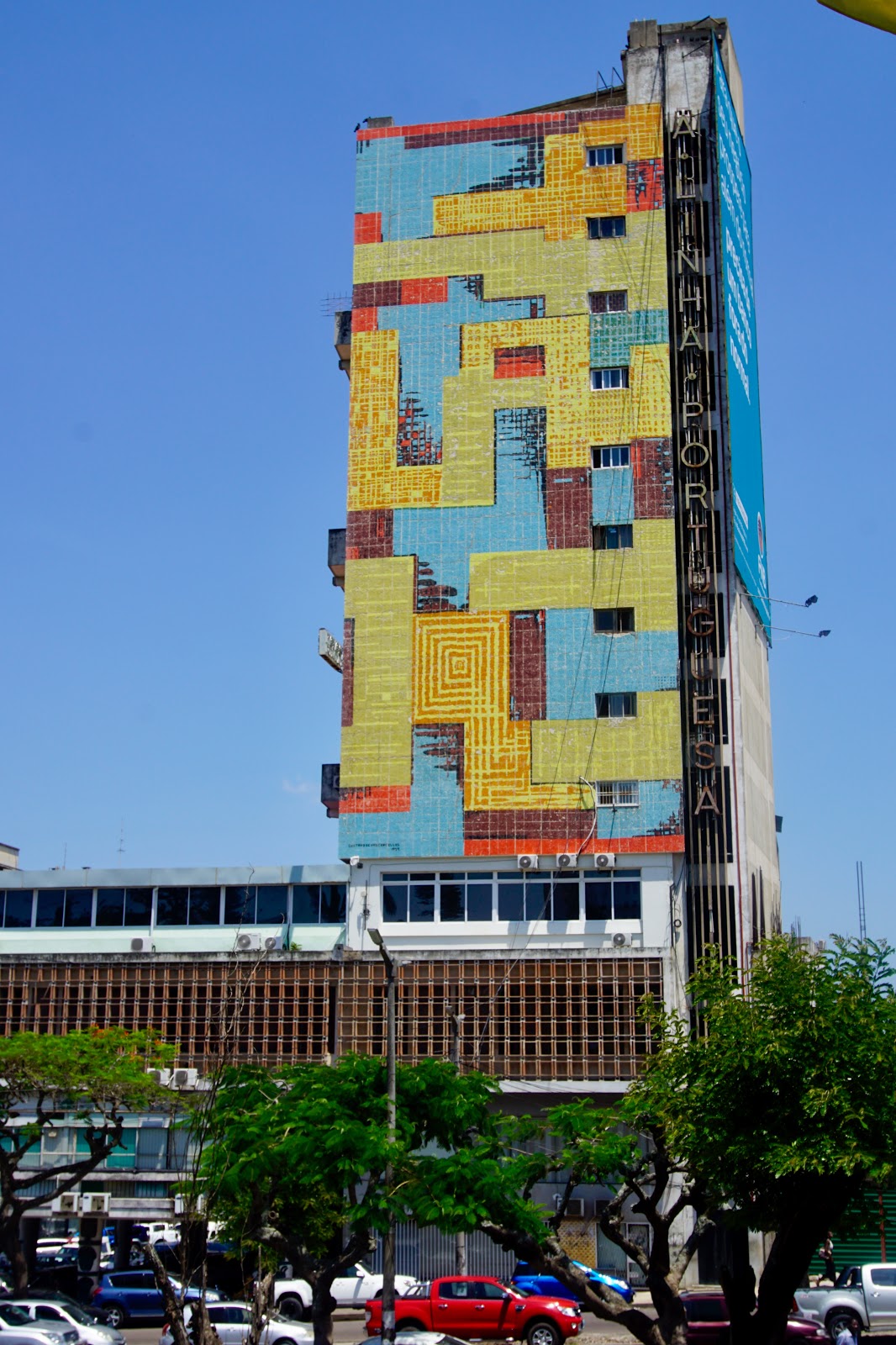
We visited the Se’ Cathedral, built between 1936-1944.  Across the street is the Maputo City Hall, with a large statue of the former President of Mozambique, Samora Michel, who was killed in a plane crash in 1986 at the age of 53.  We walked through the Jardim Tunduru, designed in the 1880’s by a British architect.  The gardens are well maintained and are the site of locals wedding photos.  We walked down Avenida Samora Michel to see Casa de Ferro, an iron house designed by Gustav Eiffel. We went to the Fortaleza, past numerous Portuguese style buildings, to the train station, with its dome also designed by Gustav Eiffel.  The Maputo Train Station is considered one of the top 10 most beautiful train stations in the world!  Our next stop was Central Market, full of fruits, vegetables, cashews, spices, fresh fish, crafts, and hair.  It seems most local Maputo women wear hair extensions.  Our last stop was Elefante Fabric Store, where I bought several pieces of African inspired fabrics.  Hendy was one of the best guides we’ve had on our entire trip.  People were helpful and friendly.  We really enjoyed our day in Maputo!